What is a Kitchen Sink Coupling?
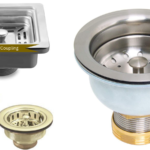
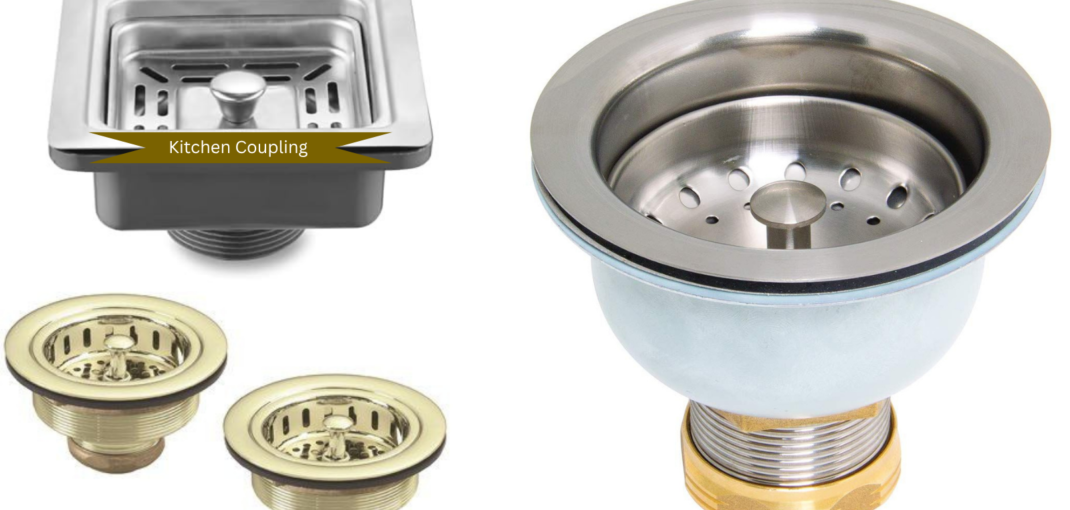
A Kitchen Sink Coupling, also known as a Kitchen Sink Waste Coupling or Sink Waste Coupling, is a plumbing fitting installed at the drain outlet of a kitchen sink. It connects the sink to the waste pipe and allows wastewater to flow smoothly into the drainage system while helping prevent leaks.
Unlike wash basin couplings, kitchen sink couplings are designed to handle food particles, grease, soap residue, and heavy daily usage. Most models include a stainless steel strainer that catches food waste before it enters the drain, reducing the risk of blockages.
Because kitchen sinks are used several times a day, choosing a high-quality waste coupling is essential for long-lasting performance and hassle-free maintenance.
How Does a Kitchen Sink Coupling Work?
The kitchen sink coupling is fitted into the drain hole of the sink using rubber gaskets and a locking nut. Wastewater passes through the stainless steel strainer and flows into the drain pipe.
The strainer captures larger food particles, vegetable peels, tea leaves, and other debris, preventing them from entering the plumbing system. This simple mechanism helps maintain smooth water flow and reduces the chances of drain blockages.
Some premium kitchen sink couplings also support accessories such as waste disposal units or dishwasher drain connections, depending on the sink design.
Main Components of a Kitchen Sink Coupling
A standard kitchen sink coupling includes the following components:
| Component | Function |
| Stainless Steel Strainer | Traps food particles and prevents clogging |
| Top Flange | Covers the sink drain opening and provides a neat finish |
| Coupling Body | Connects the sink to the drain pipe |
| Rubber Gasket | Creates a watertight seal |
| Lock Nut | Secures the coupling beneath the sink |
| Threaded Outlet | Connects to the waste pipe or bottle trap |
Types of Kitchen Sink Couplings
Selecting the right type depends on your kitchen setup and daily usage.
1. Standard Kitchen Sink Coupling
This is the most common type used in residential kitchens. It includes a stainless steel strainer and is suitable for everyday cooking and dishwashing.
Best For:
- Homes
- Apartments
- Rental Properties
2. Heavy-Duty Kitchen Sink Coupling
Designed for commercial kitchens, restaurants, and areas with heavy usage, these couplings are made from thicker stainless steel for added durability.
Best For:
- Hotels
- Restaurants
- Cafeterias
- Commercial Kitchens
3. Coupling with Removable Strainer
These models feature a detachable strainer basket that can be easily removed and cleaned.
Advantages:
- Easier maintenance
- Better hygiene
- Reduced chances of clogging
4. Coupling with Waste Disposal Compatibility
Some premium couplings are compatible with garbage disposal units, making them suitable for modern kitchens with advanced plumbing systems.
Features of a Kitchen Sink Coupling
✔ Stainless Steel Strainer
Helps trap food waste before it enters the drain.
✔ Heavy-Duty Construction
Designed to withstand constant exposure to water, detergents, and food residue.
✔ Leak-Resistant Sealing
Rubber gaskets and precision threading ensure a secure, leak-free connection.
✔ Corrosion Resistance
High-quality stainless steel models resist rust and maintain their finish over time.
✔ Easy Cleaning
Removable strainers allow quick disposal of collected food particles and simplify routine cleaning.
Benefits of Using a Kitchen Sink Coupling
1. Prevents Drain Blockages
The built-in strainer captures food scraps before they enter the drainage pipe.
2. Ensures Smooth Water Flow
A properly designed coupling allows wastewater to drain efficiently, even during heavy use.
3. Protects Plumbing System
By reducing the amount of debris entering the drain, the coupling helps minimise plumbing issues and maintenance costs.
4. Enhances Kitchen Hygiene
Regular cleaning of the strainer prevents unpleasant odours and bacterial buildup.
5. Long Service Life
Premium stainless steel couplings are built to handle years of daily kitchen use.
Advantages of a Kitchen Sink Coupling
✅ Smooth and efficient drainage
✅ Prevents food particles from entering the drain
✅ Reduces clogging
✅ Easy to clean
✅ Rust-resistant stainless steel construction
✅ Suitable for residential and commercial kitchens
✅ Strong and durable
Disadvantages of a Kitchen Sink Coupling
❌ Requires Regular Cleaning
Food particles collected in the strainer should be removed regularly to maintain hygiene and drainage performance.
❌ Slightly Higher Cost for Premium Models
Heavy-duty SS304 couplings may cost more but generally provide better durability and corrosion resistance.
Materials Used in Kitchen Sink Couplings
The material determines the coupling’s durability and resistance to corrosion.
SS304 Stainless Steel (Recommended)
Benefits:
- Superior rust resistance
- Long-lasting performance
- Food-safe material
- Easy to clean
- Premium appearance
Best For:
- Modern homes
- Luxury kitchens
- Commercial kitchens
SS202 Stainless Steel
Benefits:
- Budget-friendly
- Good appearance
Limitations:
- Lower corrosion resistance compared to SS304
Brass
Some premium kitchen sink couplings use brass bodies with chrome plating for added strength and durability.
Standard Sizes of Kitchen Sink Couplings
Kitchen sink couplings are generally larger than wash basin couplings.
| Size | Typical Application |
| 3 Inch | Standard residential kitchen sinks |
| 4 Inch | Large sinks and commercial kitchens |
| 90 mm | Premium imported kitchen sinks |
| 110 mm | Heavy-duty commercial installations |
Always check the sink manufacturer’s specifications before purchasing a replacement coupling.
Applications of Kitchen Sink Couplings
Kitchen sink couplings are commonly used in:
- Residential Kitchens
- Apartments
- Villas
- Hotels
- Restaurants
- Cafeterias
- Commercial Kitchens
- Office Pantries
- Hospitals
- Educational Institutions
Cleaning & Maintenance Tips
✔ Empty the strainer basket daily if it collects food waste.
✔ Rinse the coupling with warm water after heavy cooking.
✔ Avoid pouring excessive oil or grease directly into the sink.
✔ Clean the strainer using mild dishwashing liquid and a soft brush.
✔ Inspect the rubber gasket during routine maintenance to ensure a proper seal.
✔ Tighten loose fittings if you notice minor leaks.
Expert Tip
For kitchens with heavy daily usage, choose an SS304 Kitchen Sink Coupling with a removable stainless steel strainer. It offers better corrosion resistance, easier cleaning, and improved long-term performance compared to lower-grade alternatives.
Kitchen Sink Coupling Buying Checklist
Before purchasing, make sure to check:
- ✔ Correct sink size
- ✔ SS304 stainless steel construction
- ✔ Removable strainer basket
- ✔ Thick rubber gasket
- ✔ Strong locking nut
- ✔ Smooth finishing
- ✔ Corrosion-resistant material
- ✔ Compatibility with your plumbing system
- Premium SS304 kitchen sink coupling with removable strainer.
- Exploded view showing all components of a kitchen sink coupling.
- Close-up of food particles collected in the removable strainer basket.
- Comparison of standard and heavy-duty kitchen sink couplings.
- Installation of a kitchen sink coupling beneath a stainless steel sink.